
Rediscovering Movement: Physical Literacy and Student Wellbeing
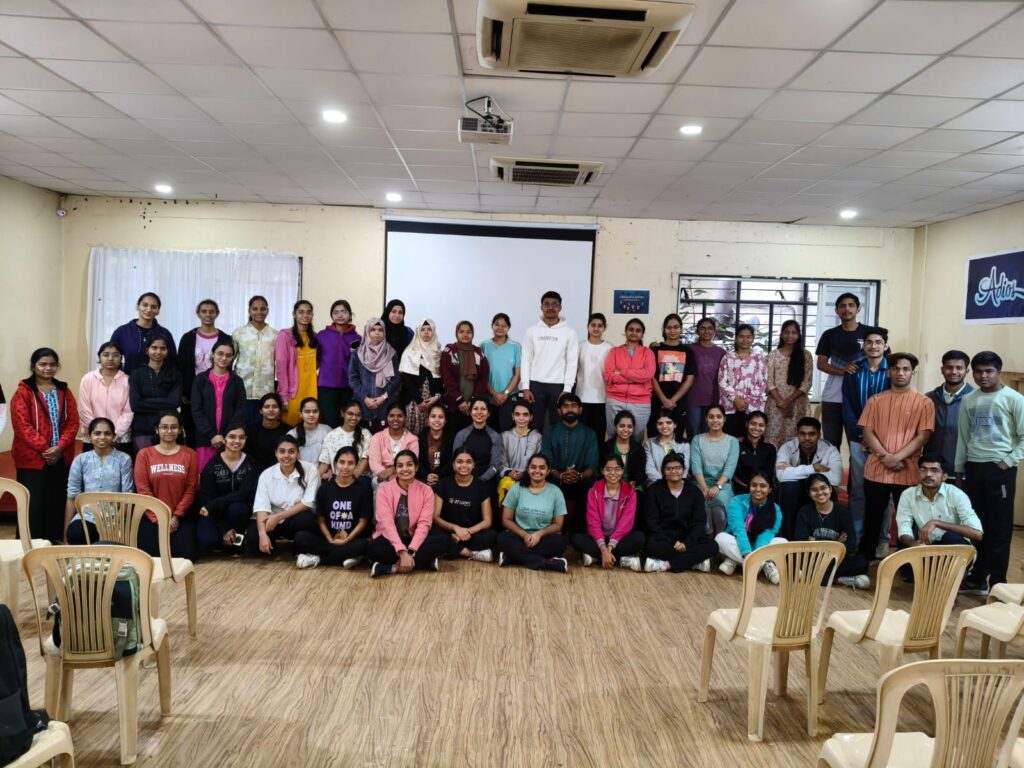
By Sonali Talavlikar, Older Adult Specialist Interest Lead, IPLA; Shama Nadaph, Associate Professor, DSH Medical College
Medical school is notoriously demanding. The grueling academic schedules, sleep deprivation, and clinical pressures often take a heavy toll on the mental and physical health of students long before they even graduate. Recognizing the urgent need for formal student support, Dhondumama Sathe Homoeopathic Medical College (DSHMC) in Pune stepped forward as a trailblazer.
Following a 2023 mandate from the University Grants Commission (UGC) and the Maharashtra University of Health Sciences (MUHS), Nashik, the college established the DS Wellness Wing on July 1st, 2023—intentionally launching on National Doctors’ Day. This first-of-its-kind initiative in India was born out of a clear vision by Principal Dr. Maneesha .V. Solanki, who recognized that student support needed to be formalized. To design and execute the curriculum, she brought in distinguished alumna Dr. Sonali Talavlikar—a lifestyle coach, personal trainer, and founder of Sirona Wellness. Dr. Shama Nadaph from the Department of Homoeopathic Materia Medica took on the role of dedicated program coordinator to anchor the initiative within the institution.
The core of this 15-session elective program was built on the pillars of Physical Literacy: intentionally cultivating the physical competence, confidence, and motivation required to maintain lifelong physical activity, paired alongside emotional resilience training. The results from our recent post-course evaluation offer compelling evidence of how structured movement frameworks can fundamentally reshape the lives of future healthcare professionals.
From Burnout to Balance: The Impact in Numbers
The elective engaged medical students primarily in their first year of the Bachelor of Homoeopathic Medicine and Surgery (BHMS) program. The cohort represented a diverse range of socioeconomic backgrounds and stepping into an environment focused entirely on personal well-being was a profound, deeply transformational experience for them. This proves that such programs can reach everyone when it is implemented in an educational institute. Despite an intense academic workload, student engagement was remarkably high: 91.3% of students attended between 6 and 15 sessions, signaling a strong, unmet craving for spaces dedicated strictly to movement and health. The post-course data reveals a sharp, quantifiable shift in student well being across three distinct areas:
1. A Reversal in Stress LevelsBefore the elective, a staggering 82.6% of students rated their baseline stress as exceptionally high (scoring a 4 or 5 on a 5-point scale). After completing the course, that reality was entirely inverted: 91.6% of participants reported low stress levels (dropping to a 1 or 2 on the same scale).
2. Shifting the Mindset on Exercise
Central to the mission of physical literacy is fostering a positive, internal relationship with movement. By the end of the 15 sessions, 75% of students reported high to very high confidence, motivation, and physical competence regarding physical activity. Crucially, many noted that movement had transitioned from a perceived “chore” into an indispensable, self-directed part of their daily routines.
3. Sustainable Tools for Clinical Life
Medical training is a marathon that requires deep physical and emotional endurance. The evaluation showed that the elective successfully equipped students for the road ahead:
● 86.1% of participants strongly agreed that the tools and movement techniques taught are highly practical for their daily, fast-paced lives.
● 80.5% of participants expressed feeling significantly better equipped to handle the emotional and mental weights of medical school moving forward.
Why the Curriculum Connected
Rather than relying on rigid, intimidating exercise routines or dry lectures on the benefits of fitness, the elective used an experiential, discussion-based format. An overwhelming 91.6% of students rated this interactive format as highly engaging. A significant factor in this success was the environment built by Dr. Sonali Talavlikar, who established a safe, non-judgmental space where students felt comfortable stepping out of their academic comfort zones. While specific modules like lifestyle management, creative expression (poetry, dance, and speech), and leadership exercises received individual praise, there were some activities that were completely student-led. This gave the future doctors a sense of voice and agency, empowering them to take the ownership of their health and well being. 83.3% of the students emphasized that the true value lay in the holistic, interconnected nature of the sessions.
Breaking Barriers: Overcoming Constraints of Space and Playground.
The true triumph of the DS Wellness Wing lies in its absolute adaptability and inclusivity. Implementing a movement-based curriculum often raises questions about facilities, yet this initiative proved that a lack of specialized infrastructure is no barrier to well-being. Conducting sessions in confined areas never once stood in the way of the dynamic physical activities.
In the Students’ Own Words
The qualitative feedback from these future doctors captures the essence of physical literacy in action far better than raw data alone:
“Definitely, all the physical activities were amazing. It helped me rebuild my physical strength, motivation, and confidence… Attending just one session would boost our energy levels for the entire week.“
Another student highlighted how this course provided crucial psychosocial support and sense of belonging:
“Completing this course helped me realise that physical activity is essential for both physical and mental wellbeing. It reduces stress. It helped me create my safe place when everything was new to me.”
Program Evolution and Sustainability:
It being the consecutive third year for implementation of the program for First BHMS students, the program design evolved organically as several student alumni from previous batches sought ongoing engagement with the Wellness wing and voluntarily transitioned as Alumni mentors, co-facilitating the sessions fostering an institutional culture of Physical Literacy and collaborative wellness.
A Blueprint for Professional Education Worldwide
The success of the DSHMC Wellness Wing elective demonstrates that physical literacy is not a concept reserved solely for early childhood development or sports academies. It is a critical, preventative intervention strategy for high-stress adult environments. By cultivating physical competence and emotional resilience side-by-side, institutions can actively mitigate burnout before it compromises a student’s health and career.
With students now requesting that these sessions expand into a permanent, year-round program, DSHMC’s model offers a scalable blueprint for medical and professional colleges globally. If we expect future doctors to effectively heal and care for communities, we must first teach them how to care for themselves—and that care begins with the baseline literacy of movement.